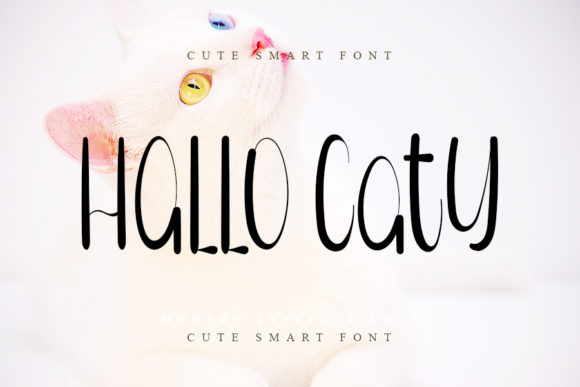
Hello Caty Font Review
As a web designer, I’m always on the lookout for fonts that bring personality without sacrificing usability. Hello Caty caught my eye during a recent project for a boutique online store, and it quickly became one of my go-to choices for headers and display elements.
First Impressions: A Handwritten Touch for Digital Projects
When I first opened Hello Caty, I was struck by its balanced weight and natural flow. It’s not too thin or too thick—just right for a handwritten feel that still feels professional. The font has a soft, friendly vibe that works well for brands aiming to connect with their audience on a personal level.
I tested it on a hero section for a lifestyle brand, and it added just the right amount of warmth without overwhelming the design. The subtle variations in the strokes make it feel more authentic than many generic script fonts, which is a big plus for creative websites looking to stand out.
Using Hello Caty in Web Layouts
One of the first places I used Hello Caty was on a landing page header for a new product launch. The font’s readability at larger sizes made it perfect for bold, attention-grabbing headlines. It paired beautifully with a clean sans serif body font, creating a clear visual hierarchy that guided users through the content smoothly.
I also experimented with it on a call-to-action button. The rounded edges and gentle curves gave the button a playful yet polished look. It worked especially well when placed over a background image, where the contrast helped it pop without clashing.
On mobile devices, Hello Caty maintained its legibility even at smaller sizes, which is crucial for responsive design. I didn’t notice any issues with spacing or character alignment, which is a relief when working with decorative fonts that can sometimes become messy on screen.
Best Uses for Hello Caty in Web Design
Hello Caty shines in areas where visual appeal matters most. It’s ideal for headings, logos, and short phrases that need a personal touch. For example, I used it on a portfolio site to highlight project titles, and it gave the page a cohesive, handcrafted feel that matched the client’s brand identity.
- Hero sections and banner text
- Call-to-action buttons and CTAs
- Blog headers and title cards
- Logo design and branding assets
- Course landing pages and promotional banners
It’s less suited for long paragraphs or dense text blocks, as the intricate details can reduce readability. That said, when used sparingly and paired with a clean, readable font, it adds a nice layer of character to any digital project.
Font Pairing and Design Flexibility
One of the things I appreciate about Hello Caty is how well it pairs with other typefaces. I often use it alongside a simple sans serif like Montserrat or Open Sans for body text. This combination keeps the design modern while allowing the script font to take center stage where it matters most.
For editorial-style sites, pairing it with a serif font like Georgia or Playfair Display can create a more traditional, elegant feel. It’s versatile enough to fit into different design aesthetics, whether you’re going for a minimalist look or something more whimsical.
The font also works well in social media graphics and email newsletters, where a bit of personality can make a big difference. I’ve used it for subject lines and feature highlights, and it always draws the eye without feeling too busy.
Technical Considerations for Web Use
Before using Hello Caty on a live website, I checked its file formats and licensing options. It comes in multiple weights and includes alternates and ligatures, which is great for customizing the look. The font is available in WOFF and WOFF2 formats, making it easy to integrate into most web projects.
It’s important to note that if you’re using it for commercial purposes, you’ll want to confirm the license terms. Some fonts have restrictions on resale or modification, so it’s always a good idea to double-check before finalizing your design.
Another thing to consider is multilingual support. While Hello Caty supports English and some European languages, it may not be ideal for sites targeting non-Latin scripts. If your audience speaks other languages, you might need to pair it with a more comprehensive font.
Final Thoughts: A Versatile Addition to Any Designer’s Toolkit
Hello Caty is a great choice for web designers looking to add a personal, handmade touch to their projects. Its balance of style and readability makes it suitable for a wide range of applications, from headers and logos to buttons and banners.
If you’re working on a website that values creativity and emotional connection, this font is definitely worth considering. Just remember to use it strategically and pair it with complementary typefaces to maintain clarity and professionalism.